ARTICLE

7 Ways to Boost Your Immune System at Any Age


7-min read

Updated on 2026-8-26

Author: AIA Content Editorial Team

Warning Signs Your Immune System May Need Support: How to Tell When Your Body Is Asking for Help

The gradual decline of the *immune system (also known as "immunosenescence") often happens quietly, but the body may send subtle physiological signals as warnings. If you notice the following signs, it may be a sign that your immune defenses are starting to weaken.and you may need to boost immunity and improve your immune system: 
 
  • More frequent colds with more severe symptoms
  • Slower recovery from illness
  • Chronic fatigue and low-grade inflammation
  • Reduced response to vaccines

7 Science-Backed Ways to Boost Your Immune System

The immune system is comprised of a complex structure of organs, cells, and tissues—and there is no stand-alone pill that can address the entirety of it. However, there are scientifically proven ways to boost your immune system function overall. We explore seven of these below.

1. Get a good night's sleep

No over-the-counter drug can cure the common cold, but you might be more equipped to fight it off if you consistently sleep well. Chronic sleep loss makes you susceptible to infections and has also been linked to an increased risk of diabetes.

Dr. Michael Chee, a professor at Duke-NUS Medical School and principal investigator of the Cognitive Neuroscience Lab, notes the rise of diabetes cases in East Asia.

"While dietary changes and reduced physical activity play a part, the contribution of poor sleep has been insufficiently acknowledged," he explains. "Experimental evidence from tightly controlled laboratory studies on sleep deprivation reveal a number of physiological changes that could, in the long run, increase the risk of diabetes."

How to start: Develop a consistent sleep schedule. Stick to the same bedtime and wake-up time daily with a sleep goal of seven hours.

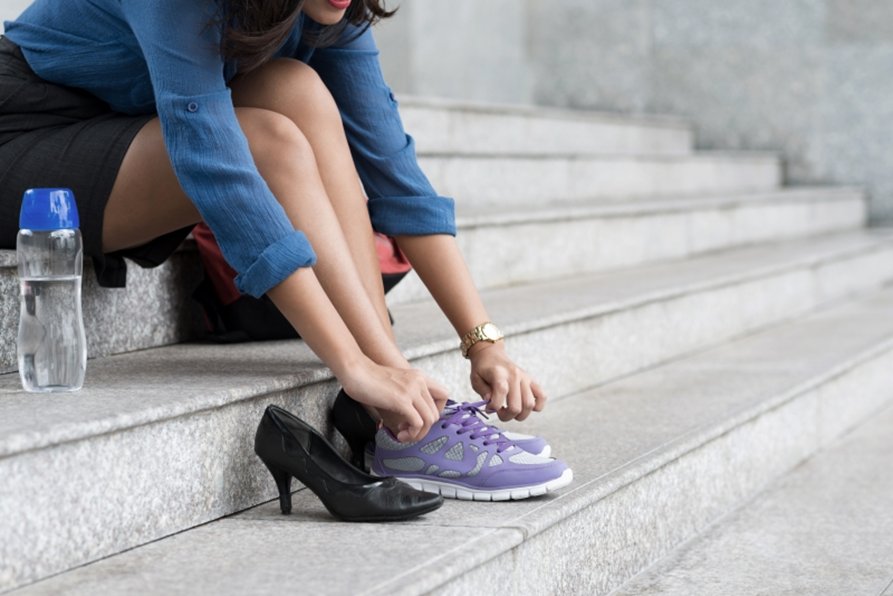
2. Walk, walk, and walk some more

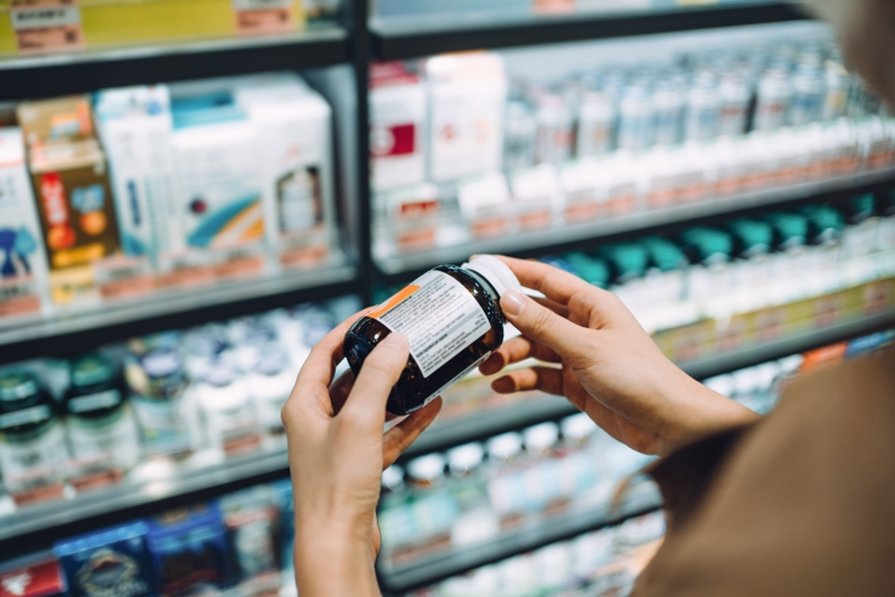
3. Take vitamin D

In daily life, besides taking vitamin D supplements, there are natural ways to obtain vitamin D to support the immune system and help boost immune system function:
 
  • Sun exposure: Just 10 to 15 minutes of sunlight each day can help your body produce sufficient vitamin D, which helps improve immune system function.
  • Fatty fish: Such as salmon, mackerel, and sardines, which are natural sources often recommended among the best vitamins for immune system support.
  • Other foods: Egg yolks, milk, and vitamin D–fortified cereals or juices can also help boost immune system naturally and strengthen immune system health.

4. Get vaccinated

Vaccines are powerful immune system boosters. The pandemic highlighted their importance, particularly among the elderly. COVID-19 vaccines prevent severe illness and hospitalisation, and when inoculated, you are less likely to pass the virus to others.

How to start: By now, you should have had two doses of the COVID-19 vaccine and a booster shot. Keep track of your recommended booster schedule. Also, remember to get a flu shot annually.

5. Snack with purpose

6. Ease up on the worrying

The brain directly affects the stomach and intestines, and 70% of the immune system is in the gut. Chronic stress can lead to gas, abdominal cramps, and diarrhoea. No one can avoid stress altogether, but you can choose how to respond to it.

How to start: Relax with guided body scan meditation before going to sleep.

7. Know the preventive care of your gender's immune system now

Immune function and response among men and women differ as they age. According to the Centers for Disease Control and Prevention (CDC) and based on data from Global Health 50/50, more men than women have died of COVID-19 in 41 out of 47 countries. While men are more prone to having the worst comorbidities (i.e., cardiovascular disease, high blood pressure), women are more susceptible to auto-immune diseases (i.e., Type 1 diabetes and arthritis).

How to start: Get a health check-up with AIA Vitality, a wellness programme that helps members make the positive change needed to sustain healthy living. Its health assessments cover nutrition, stress, sleep and exercise. You can also enjoy discounts on gym memberships, workout gear, and insurance premiums —all of which can help you lead a healthier, longer, better life.

Boost Immune System / Improve Immune System: FAQ

Regular exercise is a powerful way to boost the immune system. A study of adults found that people who walked at least 20 minutes a day, five days a week, took 43% fewer sick days than those who exercised less. Even when they caught a cold, their symptoms were milder and they recovered faster—showing how daily walking can support immunity and help the body recover more quickly. 

Yes. Scientific studies have shown that even one night of restricted sleep (reduced to four hours), natural killer (NK) cell activity drops to an average of 72%. NK cells are a key defense against viruses and tumors. In addition, long-term sleep deprivation can reduce antibody production after a flu vaccination by more than 50%. For this reason, most experts recommended aiming for around seven hours of sleep per night to strengthen immune system function and boost immunity. 

About 70% of the body's immune system is located in the gut. The gut microbiome helps "train" immune cells to distinguish between harmful invaders and the body's own tissues. It is recommended to eat seven servings of colorful fruits and vegetables and other high-fiber plant-based foods each day. This increases microbial diversity, reduces inflammation, and helps improve immune system health and boost the immune system naturally.

  1. Cleveland Clinic. 2022. How Safe Is That TikTok Health Trend? [online] Available at: https://health.clevelandclinic.org/tiktok-health-trends [Accessed 30 January, 2026]
  2. The National Institute for Occupational Safety and Health (NIOSH). 2020. Training for Nurses on Shift Work and Long Work Hours. [online] Available at: https://www.cdc.gov/niosh/work-hour-training-for-nurses/longhours/mod2/05.html> [Accessed 30 January, 2026]
  3. AIA. 2024. Investing in sleep for health and wellbeing dividends. A view from one of Asia's leading sleep scientists. [online] Available at: https://www.aia.com.sg/en/health-wellness/healthy-living-with-aia/investing-in-sleep-for-health [Accessed 30 January, 2026]
  4. JAMA Internal Medicine. 2022. Estimated Number of Deaths Prevented Through Increased Physical Activity Among US Adults. [online] Available at: https://jamanetwork.com/journals/jamainternalmedicine/fullarticle/2788473> [Accessed 30 January, 2026]
  5. National Library of Medicine. 2020. You’re only as young as your immune system. [online] Available at: https://www.ncbi.nlm.nih.gov/pmc/articles/PMC7270427 [Accessed 30 January, 2026]
  6. National Institutes of Health. 2021. Vitamin D: Fact Sheet for Consumers. [online] Available at: https://ods.od.nih.gov/factsheets/VitaminD-Consumer [Accessed 30 January, 2026]
  7. World Health Organization. 2022. Coronavirus disease (COVID-19): Vaccines. [online] Available at: https://www.who.int/news-room/questions-and-answers/item/coronavirus-disease-(covid-19)-vaccines> [Accessed 30 January, 2026]
  8. Medline Plus. 2020. Snacks for Adults. [online] Available at:https://medlineplus.gov/ency/patientinstructions/000338.htm> [Accessed 8 June 2022]
  9. Cleveland Clinic. 2020. 39 Easy, Low-Cal Snack Ideas At Around 150 Calories Each. [online] Available at: https://health.clevelandclinic.org/39-easy-low-cal-snack-ideas-each-under-200-calories [Accessed 30 January, 2026]
  10. National Library of Medicine. 2012. The role of gut microbiota in immune homeostasis and autoimmunity. [online] Available at:https://www.ncbi.nlm.nih.gov/pmc/articles/PMC3337124 [Accessed 30 January, 2026]
  11. UCLA Health. 2021. If you want to boost immunity, look to the gut. [online] Available at: https://connect.uclahealth.org/2021/03/19/want-to-boost-immunity-look-to-the-gut [Accessed 30 January, 2026]
  12. American Psychological Association. 2018. Stress effects on the body. [online] Available at: https://www.apa.org/topics/stress/body> [Accessed 30 January, 2026]
  13. The Jackson Laboratory. 2020. Immune system changes with age differ between men and women. [online] Available at: https://www.jax.org/news-and-insights/2020/february/immune-system-changes-with-age-differ-between-men-and-women> [Accessed 30 January, 2026]
  14. Centers for Disease Control and Prevention. 2020. Men and COVID-19: A Biopsychosocial Approach to Understanding Sex Differences in Mortality and Recommendations for Practice and Policy Interventions. [online] Available at: https://www.cdc.gov/pcd/issues/2020/20_0247.htm> [Accessed 30 January, 2026]
  15. World Health Organization. Physical activity in South-East Asia. [online] Available at: https://www.who.int/southeastasia/health-topics/physical-activity> [Accessed 30 January, 2026]
  16. The Telegraph. 2020. Why Covid-19 kills nearly twice as many men as women. [online] Available at: https://www.telegraph.co.uk/global-health/science-and-disease/covid-19-kills-nearly-twice-men-women [Accessed 30 January, 2026]
  17. Harvard Health Publishing. 2021. 5 surprising benefits of walking. [online] Available at: https://www.health.harvard.edu/staying-healthy/5-surprising-benefits-of-walking> [Accessed 30 January, 2026]

Contact us now

error icon
Oops! Unable to perform this action. Please reload the page and try again.
info icon

*Required fields

  • error icon
  • error icon
  • error icon
  • error icon
alert icon
alert icon
alert icon
alert icon
alert icon
meet icon Contact Us
meet icon
Contact Us